Tel : +8613285927168 Email : sales@molibon.com
Tel : +8613285927168 Email : sales@molibon.com
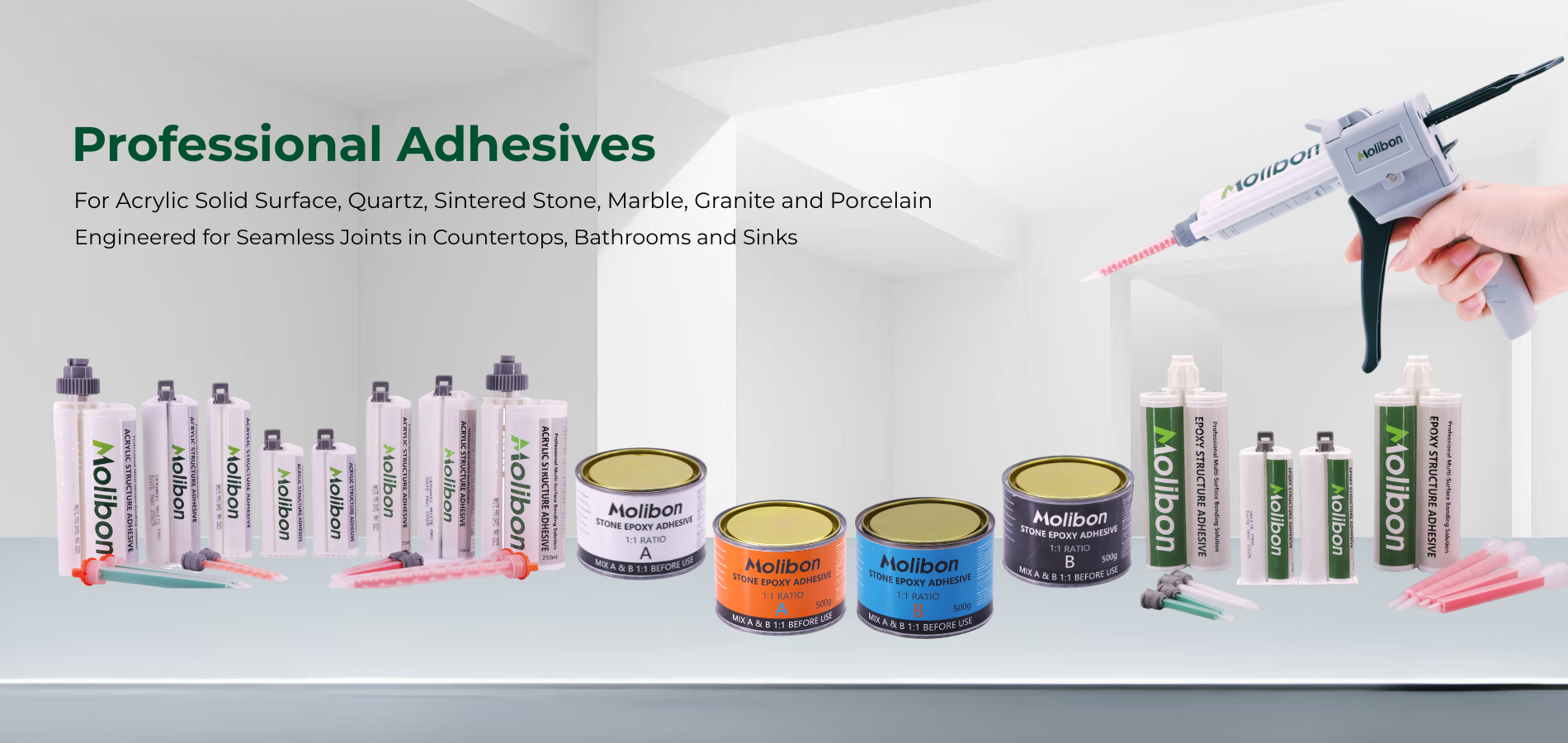
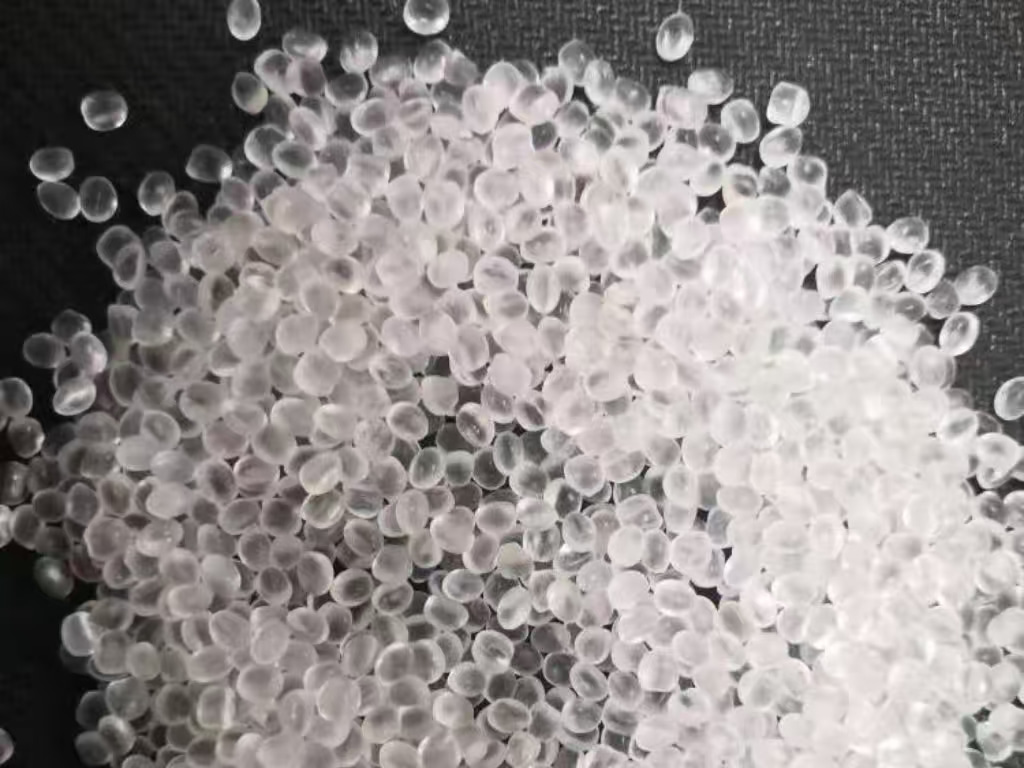
TPE is a thermoplastic elastomer that offers rubber-like elasticity, strength, and resilience, combined with the easy processability of plastics via injection molding. It is an environmentally friendly and safe material, with a hardness range adjustable from very soft to rigid (0A–100A).
TPE exhibits excellent colorability, weather resistance, and temperature tolerance, in addition to superior processing performance. Furthermore, its vulcanization-free processing and full recyclability contribute to significant cost reduction. This combination of properties allows TPE to be used either independently or in overmolding applications with substrates like PP, PS, ABS, PC, and PA.
Different Solutions for TPE Bonding
1. Hot Melt Bonding:
By heating TPE with a hot plate or heat gun until its surface melts, this method allows parts to be bonded together under pressure. The bond sets firmly as the material cools down.
2. Solvent Bonding:
Uses specific solvents to dissolve the TPE surface. The parts are then joined under light pressure. When the solvent evaporates completely, a permanent bond will be formed.
3.Chemical Adhesive Bonding:
Uses a specialized chemical adhesive to react with the TPE surface. The components are then joined under contact pressure. After the LSE structural adhesive cures, a strong and molecular-level bond is formed.
4.Mechanical Fastening:
Uses physical connectors such as screws or rivets. The TPE components are mechanically joined without chemical modification. This method allows for non-destructive disassembly when maintenance is required.
Molibon's thermoplastic structural adhesive sticks well to TPE and creates a strong bond. For best results:
• Check the required curing time and temperature range before starting.
• We recommend performing a test bond to confirm it works for your application.
Key Factors for TPE Bonding Adhesive Selection
1. Compatibility: Make sure the plastic adhesive glue works well with both the TPE and the material. Using the incompatible glue can cause poor sticking or even damage the TPE.
2. Curing Conditions: Check the curing requirements of the TPE bonding adhesive - including temperature, time, and pressure needed. Make sure you can provide these conditions during application to get the strongest bond.
3. Bond Strength: Choose an adhesive with appropriate bond strength for the application. If the parts will be under heavy load, be sure to use a high-strength structural bonding adhesive.
4.Weather Resistance: For TPE products exposed to outdoor or harsh conditions, choose a weather-resistant plastic adhesive to ensure lasting performance.

WhatsApp : +8613285927168
Email : sales@molibon.com
Phone : +8613285927168
No. 263, Lingxia West Road, Huli, Xiamen, Fujian, China


Leave A Message
Scan to Wechat :