Tel : +8613285927168 Email : sales@molibon.com
Tel : +8613285927168 Email : sales@molibon.com
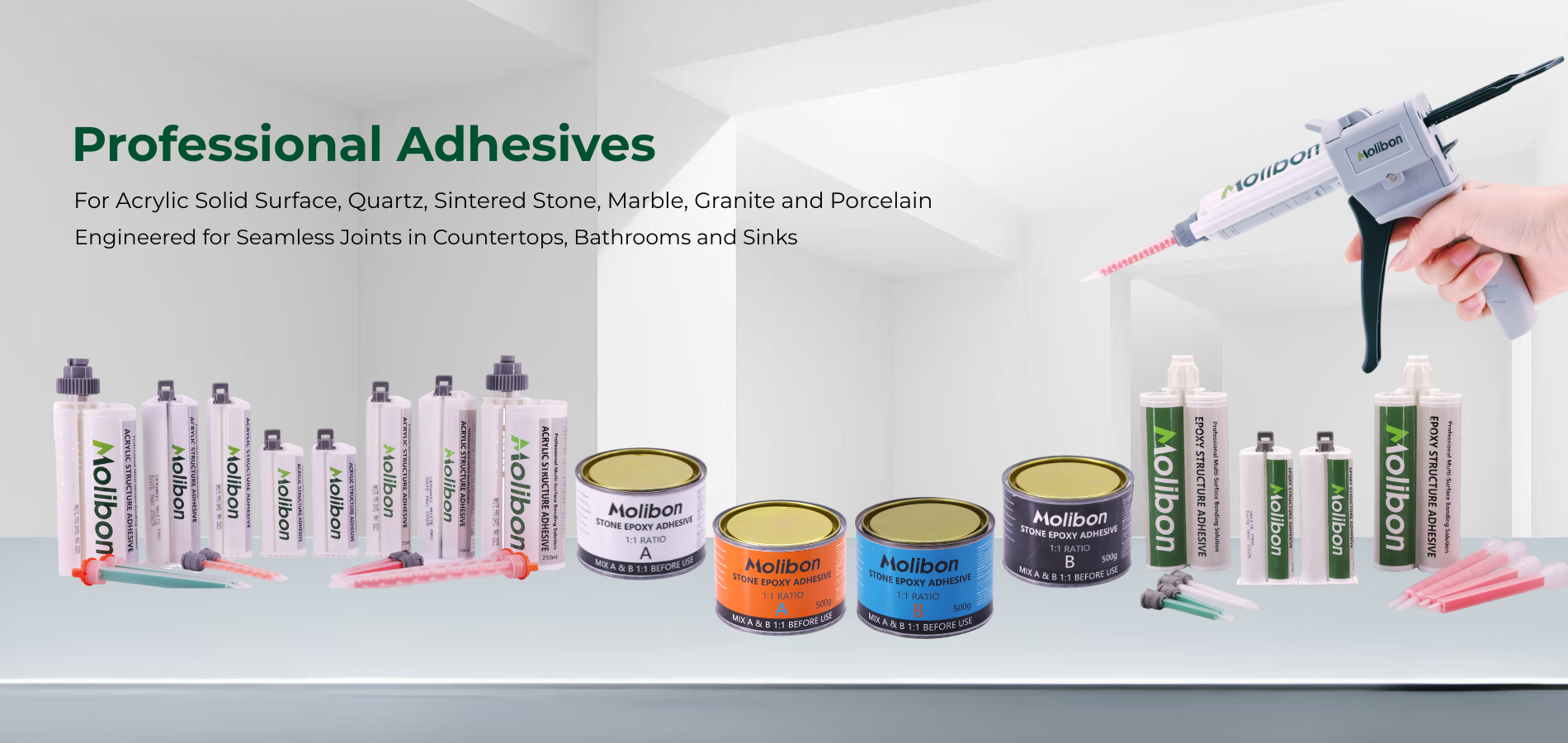
Polyethylene is a common lightweight thermoplastic. There are two basic types: low-density (LDPE), which is soft and flexible, and high-density (HDPE). It is a common packaging and material storage container, chemical drums and cans. Its non-porous surface makes it an ideal packaging material for adhesives, as most glues cannot adhere to polyethylene surfaces.
The low surface energy polyethylene is a smooth, non-porous plastic that most adhesives do not stick to easily.
However, there are two effective methods:
1.Welding methods:
This method includes solvent, ultrasonic or infrared welding. Use heat or chemicals to melt and fuse the polyethylene surfaces. This creates a strong, permanent bond.
Polyethylene is sensitive to chemicals and can easily deform or melt when exposed to heat. Each “welding”is a multi‑step process that requires preparing the plastic surface before joining it. Depending on the method used, there are three common ways to treat the bonding surface:
1.Corona treatment
2.Plasma treatment
3.Flame treatment
These welding methods require strong chemicals and large machines, so they work best in factories for bonding large amounts of polyethylene. Also, they can only join polyethylene to itself. They won't work for other plastics, wood, metal, or rubber.
2. Specialty HDPE adhesives:
These are adhesives specially formulated for polyethylene. They can form a strong, reliable bond without welding and are easier to use in many applications.
To save on cost and effort, you can use Molibon's special polyethylene adhesive. Unlike welding, it doesn't need surface preparation. It bonds raw HDPE or LDPE plastics, and can also join plastic to other materials like wood or metal.
For assemblies requiring greater durability along with flexibility and weather resistance, Molibon flexible HDPE adhesive is an ideal choice.
(Pro tips: Please always follow the product instructions and ensure the adhesive has sufficient curing time before moving the assembled components.)
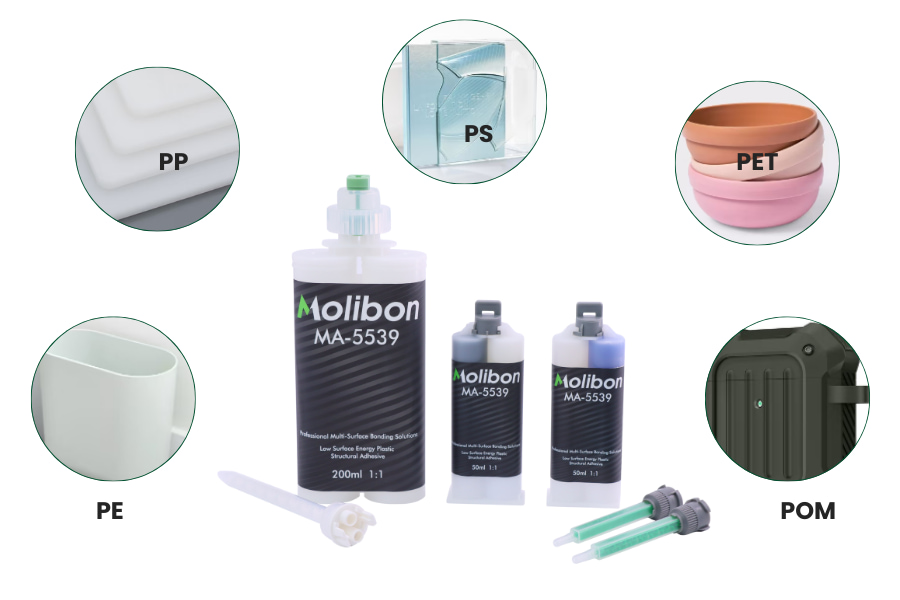
Consider the project's size and budget first when choosing a technique. Welding is ideal for large-scale production where there is space for heavy machinery. Polyethylene bonding adhesive offers more flexibility, bonds PE to non plastic surfaces, and works well for smaller assemblies or production runs.

WhatsApp : +8613285927168
Email : sales@molibon.com
Phone : +8613285927168
No. 263, Lingxia West Road, Huli, Xiamen, Fujian, China


Leave A Message
Scan to Wechat :